




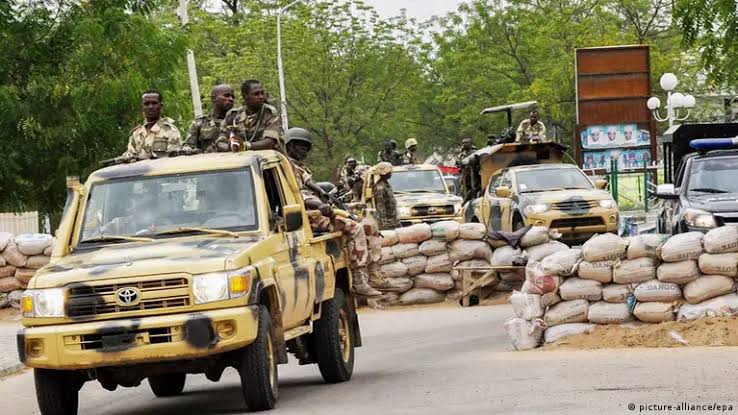
Army Rotates Troops in North-East to Boost Operations
By Auwal Abdullah
The Nigerian Army said it has successfully rotated 329 military personnel in the North-East theatre of operations as part of its ongoing troop welfare and operational sustainability programme aimed at maintaining combat effectiveness in the fight against insurgency.
According to an official operational report released on Wednesday, June 17, 2026, the exercise involved the deployment of 155 fresh personnel into the Operation Hadin Kai theatre and the withdrawal of 174 frontline soldiers who had completed their operational assignments.
Military authorities said the rotation was executed through a chartered aircraft, ensuring the safe and efficient movement of troops to and from the conflict zone.
The exercise forms part of the Chief of Army Staff’s second welfare flight initiative for June 2026 and underscores the Army’s commitment to improving troop welfare while sustaining operational momentum in the North-East.
According to the report, the welfare programme is designed to enhance morale among personnel serving in demanding combat environments by facilitating regular troop rotations and reducing the risk of fatigue and burnout associated with prolonged frontline deployments.
The latest movement follows an earlier welfare flight conducted in June, during which 332 personnel were successfully rotated in and out of the theatre. Military authorities noted that the continuous cycle of deployment and withdrawal remains a critical component of efforts to maintain a fresh and motivated fighting force.
The North-East remains the focal point of ongoing counter-insurgency operations against remnants of Boko Haram and the Islamic State West Africa Province (ISWAP).
Security forces have continued to intensify operations across the region, leveraging intelligence-driven missions and strategic collaborations to dismantle insurgent networks and deny terrorists freedom of movement.
Military officials emphasized that the systematic rotation of personnel not only supports troop welfare but also strengthens operational readiness, enabling forces to sustain pressure on insurgents and respond effectively to emerging security threats across volatile areas within the theatre of operations.
