




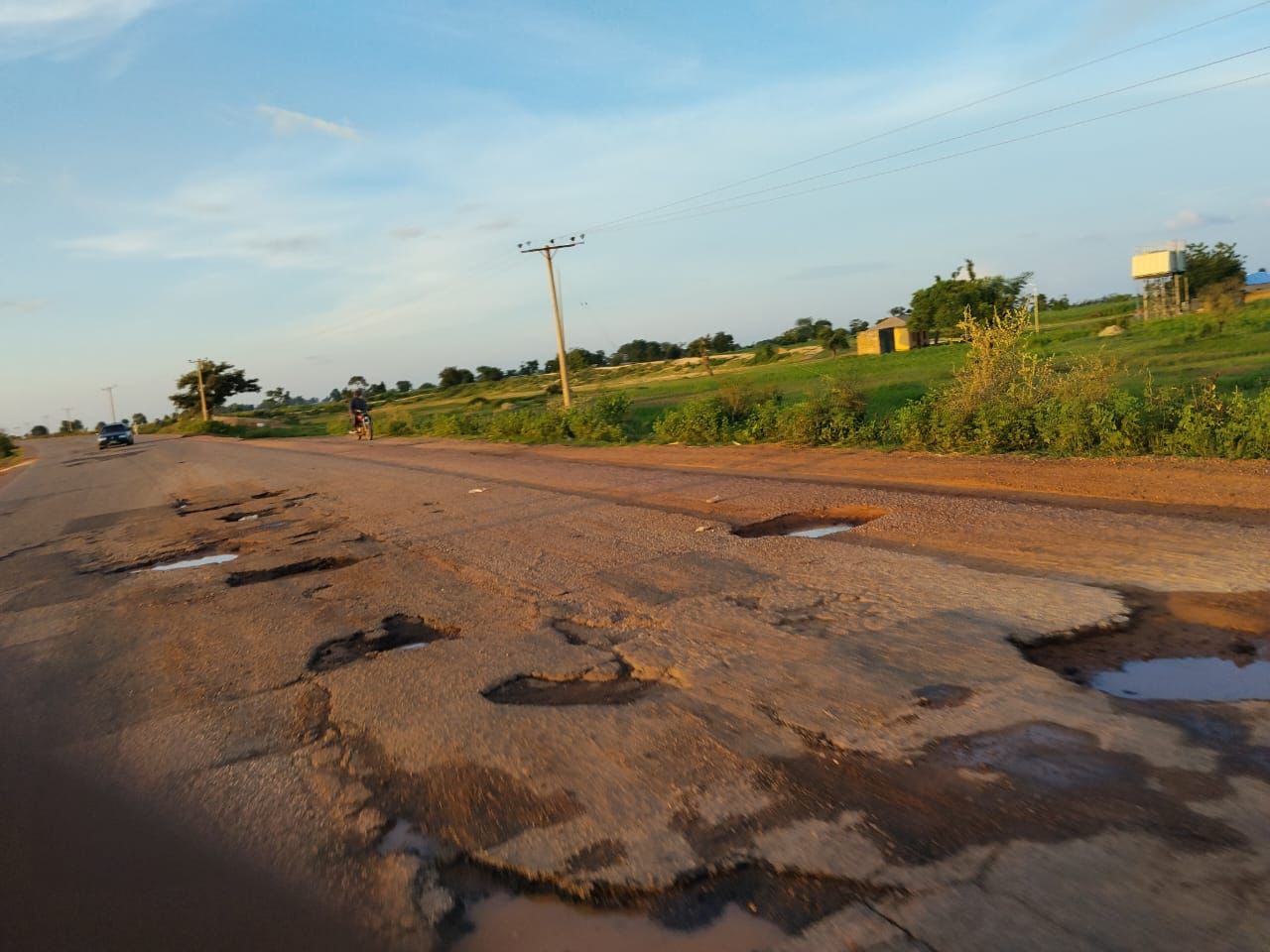
Despite N481.57m Spent on Bauchi-Ningi Road Repairs, Highway Remains Deplorable
By Babaji Usman Babaji
Despite the release of about N481.57 million for the maintenance and repair of the Bauchi-Ningi Federal Highway between 2018 and 2024, significant sections of the road remain in deplorable condition.
Tracka, a civic organisation that monitors the implementation of government projects, disclosed this on Wednesday in a post on X, calling on the Bauchi State Government and the Federal Ministry of Works to facilitate the major reconstruction of the highway.
According to Tracka, the funds were disbursed through the Federal Roads Maintenance Agency (FERMA) for maintenance and repair works on the road over the six-year period.
However, the organisation said the current condition of the highway suggested that the interventions had failed to provide a lasting solution to the deterioration of the strategic route.
Tracka said motorists using the highway continue to contend with potholes, failed pavement and severely damaged sections, forcing drivers to manoeuvre dangerously around affected areas.
The organisation said the situation had become so severe that some residents had resorted to filling potholes with sand in an attempt to make parts of the road passable.
It noted that such temporary measures were often washed away by rain, leaving the road exposed to further deterioration.
“Although parts of the highway have received intervention, major parts of the road remain in terrible condition,” Tracka said.
The revelation raises questions about whether the funds released for maintenance between 2018 and 2024 delivered value for money, particularly as motorists continue to encounter the same defects years after successive interventions.
Where Did the N481.57m Go?
For residents and other stakeholders, maintenance expenditure should keep roads functional and prevent deterioration to the point where complete reconstruction becomes necessary.
However, the continued poor condition of substantial sections of the highway suggests that the interventions may have been largely temporary or insufficient to address the underlying structural problems.
Their concerns centre on the apparent disconnect between the amount reportedly spent and the current condition of the road.
They have therefore called on the agencies responsible for the expenditure to explain whether the works were completed according to specification and subjected to adequate technical inspection and quality assurance before payments were made.
The Bauchi-Ningi highway is an important transportation corridor linking communities within Bauchi State and facilitating the movement of people and goods.
For motorists and residents along the route, the prolonged deterioration goes beyond mere inconvenience.
Experts say poor roads increase vehicle operating costs, cause damage to vehicles, lengthen journey times and expose motorists to accidents, particularly where drivers are forced to make sudden manoeuvres to avoid potholes and other damaged sections.
For traders and farmers, deteriorating road infrastructure can also increase the cost of transporting agricultural produce and other goods to markets.
The burden is particularly significant where alternative routes are unavailable or substantially longer.
Maintenance Versus Reconstruction
The calls for major reconstruction highlight a recurring challenge in Nigeria’s road infrastructure management: whether repeatedly spending limited resources on maintenance remains economically viable once a road has suffered extensive structural failure.
According to Engineer Bello Jada, Head of the Department of Civil Engineering at the Federal Polytechnic, Bauchi, routine and periodic maintenance can extend the lifespan of roads when carried out properly and on time.
However, he said that where pavement failure has become widespread, surface-level repairs may provide only temporary relief.
The condition described by Tracka therefore raises questions about whether continued maintenance spending should give way to a comprehensive reconstruction programme for the severely damaged sections.
Beyond the immediate demand for reconstruction, stakeholders have also called for closer scrutiny of the N481.57 million reportedly spent on the highway.
They said authorities should make public records of the interventions carried out between 2018 and 2024, including the number and value of contracts awarded, contractors engaged, locations of the works, project descriptions and completion status.
Community leaders in the affected areas said Tracka’s appeal to Bauchi State Governor Bala Mohammed and the Federal Ministry of Works to facilitate major reconstruction reflects growing demands for the government to move beyond repeated patching of damaged roads and pursue durable solutions where infrastructure has suffered extensive deterioration.
