











Democracy at 27: Between Hope, Hardship, Search for Good Governance
By Abdulrazaq Mungadi
When Nigeria returned to democratic rule in 1999 after years of military dictatorship, many citizens believed the country was entering a new era of freedom, development, and prosperity.
Twenty-seven years later, Nigerians across different walks of life continue to express mixed feelings about the country’s democratic journey, acknowledging gains in some sectors while lamenting economic hardship, corruption, unemployment, and failed expectations.
From traders struggling to survive harsh economic realities to youths demanding accountability and community leaders calling for political reforms, many Nigerians say democracy remains a work in progress.
“We Thought Democracy Would Change Everything”
For many ordinary Nigerians, the return to democracy came with high expectations.
A trader in Gombe metropolis, Hauwa’u Ibrahim, recalled how citizens celebrated the transition from military rule in 1999 with hope for a better future.
“We believed democracy would improve our lives,” she said. “People expected stable electricity, jobs, better roads, and affordable food. But things are becoming more difficult.”
Like many small-scale business owners, Hauwa said rising prices and economic hardship have affected both traders and customers.
“Many people cannot even buy basic things without borrowing. Business is no longer easy,” she lamented.
Despite the challenges, she maintained that democratic rule still offers citizens more freedom than military governments. “At least people can now express themselves freely without fear,” she said.
Youths Say Democracy Must Deliver Opportunities
For younger Nigerians born after 1999, democracy represents freedom of expression and political participation, but many say it has failed to provide economic opportunities.
Yusuf Abdullahi, a university student in Birnin Kebbi, said many youths feel disconnected from political leaders.
“We hear promises every election season, but unemployment keeps increasing. Education is expensive and many graduates are struggling,” he said.
According to him, Nigerian youths are becoming more politically conscious and are demanding better governance.
“Young people are beginning to ask questions and hold leaders accountable. Democracy should go beyond speeches; it should improve people’s lives.”
Civil Servants Reflect on Progress and Challenges
Some civil servants acknowledge improvements in sectors such as telecommunications, banking, and infrastructure since 1999, but argue that corruption and poor leadership continue to slow development.
Mohammed Suleiman, a civil servant in Gombe, said democratic governance has brought stability compared to years of military rule.
“But many government policies are inconsistent, and corruption remains a major problem. Projects are often abandoned whenever administrations change,” he said stressing the need for stronger institutions and accountability.
“Democracy can only succeed when institutions are respected and leaders are held responsible for their actions.”
Activists Call for Responsible Leadership
Human rights activists say democracy should not only be about elections but about justice, transparency, and good governance.
Grace Daniel, a community activist in Jos, Plateau state, noted that Nigerians are now more politically aware than they were in 1999.
She said, “Citizens are speaking up more today, especially with the help of social media. People are beginning to demand accountability from leaders”.
However, she warned that issues such as election violence, corruption, and voter manipulation continue to threaten democratic progress. “Democracy is not just about voting. Leaders must genuinely serve the people,” Grace added.
There Has Been No Break Since 1999
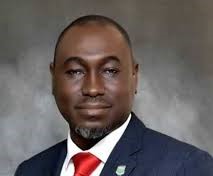
Former Chairman of the National Youth Council of Nigeria (NYCN) in Gombe State, Comrade Garba Ubale, described Nigeria’s uninterrupted democratic journey since 1999 as an achievement worth acknowledging.
“Although there are a lot of complaints and challenges within the democracy, from 1999 till date, there has been no break,” he said.
According to him, democracy takes time to mature, and Nigerians must remain patient while continuing to push for improvements.
“I do not think we are going to have a perfect democracy within just a few years. But the journey is still ongoing, and with hope and prayers, our democracy will improve with time.”
Ubale also pointed to improvements in internal party systems, particularly the introduction of digital membership registration and party primaries.
“Nearly every political party now has online registration for members. That is progress compared to previous years,” he said.
However, he stressed that citizens themselves must play a role in improving governance by rejecting money politics and electing credible leaders.
He said, “If the electorate are not responsible, then we are not going to have good governance. Most times, people vote based on money instead of integrity and competence.”
According to him, many qualified and patriotic Nigerians are often ignored because they lack financial influence. “We have good people who genuinely want to serve this country, but nobody supports them because they do not have money,” Ubale stated.
Between Hope and Frustration
As Nigeria marks another Democracy Day anniversary, many citizens say the country’s democratic journey remains a mixture of progress, disappointment, hope, and frustration.
While democracy has expanded civil liberties and political participation, millions of Nigerians continue to struggle with insecurity, inflation, unemployment, and governance challenges.
Yet, despite the difficulties, many still believe Nigeria can achieve the democratic ideals envisioned in 1999.
For citizens like Comrade Garba Ubale, the responsibility for building a better democracy lies not only with leaders but also with the electorate.
He said, “We must ask ourselves who we want to lead us, what they have contributed, how sincere and patriotic they are. Only then can we elect better leaders for this country.”
Across markets, schools, offices, and communities, one message remains clear; Nigerians still have hope, but they want a democracy that truly delivers for the people.

