




VentCope Takes Psychosocial Support to Five Displaced Communities
By Ahmad Umar
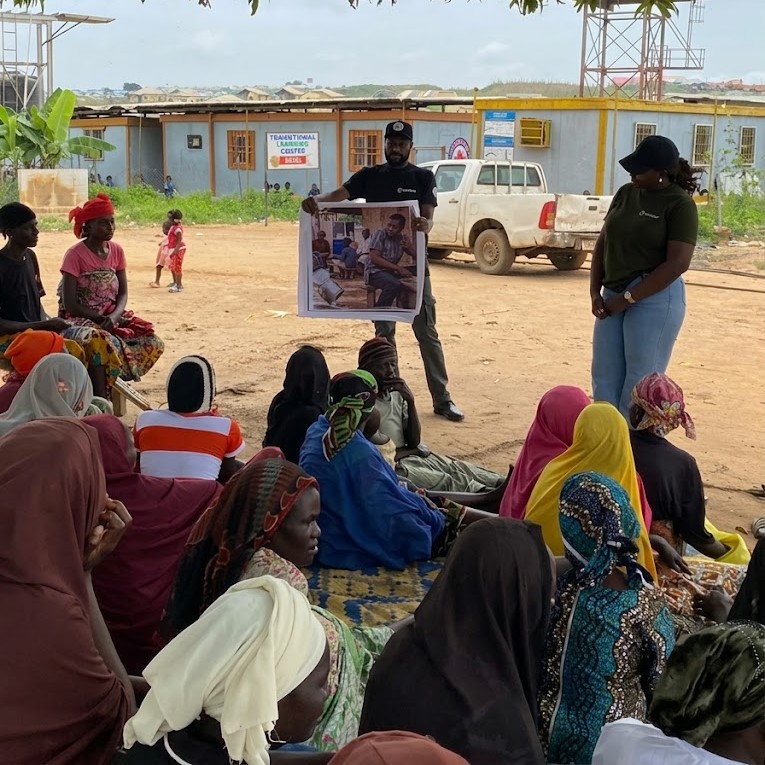
The Vent Cope Relief Initiative (VentCope) has provided mental health awareness and psychosocial education to more than 400 people across five displaced communities in Abuja and Adamawa State as part of activities marking the 2026 World Mental Health Day and the International Day for Disaster Risk Reduction.
The outreach, supported by SelvedgePsych and Mutaru Development Initiative, was organised to help displaced people understand the psychological and emotional challenges associated with adversity, while promoting recovery, resilience and improved wellbeing.
The sessions took place at Wassa IDP Settlement in Abuja, as well as Damare IDP Camp, Fombina IDP Camp, Salama Resettlement Camp and Labondo Integration Settlement in Adamawa State.
During the engagements, participants learned about the emotional and psychosocial difficulties that may arise from displacement and other traumatic experiences, including how such challenges can affect their daily activities, coping abilities and overall quality of life.
The discussions also emphasised the need for continued psychosocial support for people who experience emotional distress long after the immediate effects of a crisis have passed.
The initiative reflected the 2026 World Mental Health Day theme, “Lived experiences heard: real voices, real change,” which underscores the importance of listening to people’s experiences and addressing their mental health needs.
Speaking on the programme, Sharon Yabilsu-Guyuk, Executive Director of VentCope, said surviving a crisis should not be considered the end of the recovery process, stressing that people affected by adversity also need support to rebuild their lives.
“Surviving adversity is important, but it is not the end of the recovery journey. People can continue to experience distress and face difficulties in their everyday lives long after the immediate crisis has passed,” she said.
Yabilsu-Guyuk noted that greater attention must be given to psychosocial recovery to ensure that people receive the assistance they need to cope with difficult experiences, regain their ability to function and rebuild their lives.
She stressed that support for people affected by crises should extend beyond meeting their immediate survival needs to include their emotional and psychological wellbeing.
As part of the activities marking the International Day for Disaster Risk Reduction, the initiative also explored the meaning of home beyond having a physical shelter.
In line with the 2026 theme, “Resilience Starts at Home,” discussions highlighted the importance of safety, family relationships, social connections, belonging and emotional stability in helping displaced people recover from adversity.
For individuals and families forced to leave their homes, displacement can disrupt these essential elements of life, making the process of recovery more challenging even after they have found temporary shelter or resettled in new communities.
The outreach highlighted the need to integrate mental health awareness and psychosocial support into humanitarian interventions, particularly for people who continue to face emotional and social challenges after emergencies.
Through the initiative, VentCope and its partners reaffirmed the importance of listening to affected communities and providing sustained support to help displaced people recover, strengthen their resilience and rebuild their lives with dignity.
